Introduction
The traditional office environment is undergoing a major transformation. Modern businesses are increasingly adopting digital workspaces that allow employees to collaborate, communicate, and access resources from virtually anywhere.
Driven by advances in cloud computing, artificial intelligence, remote work technologies, and digital collaboration platforms, digital workspaces are becoming the new standard for organizations seeking flexibility and efficiency.
Companies are no longer limited by physical office locations. Teams can work across cities, countries, and continents while maintaining productivity and collaboration through technology.
This guide explores the future of digital workspaces, the technologies driving change, and what businesses can expect in the years ahead.
What Is a Digital Workspace?
A digital workspace is a virtual environment where employees access the tools, applications, data, and communication systems required to perform their work.
Unlike traditional offices that rely heavily on physical infrastructure, digital workspaces bring everything together through cloud-based technologies.
Core Components of a Digital Workspace
Communication Tools
Enable messaging, meetings, and collaboration.
Cloud Storage
Provides secure access to documents and files.
Business Applications
Support daily operations and workflows.
Security Systems
Protect sensitive company information.
Digital workspaces help employees remain productive regardless of location.
Why Digital Workspaces Are Growing
Several factors are accelerating the adoption of digital workspaces.
Remote and Hybrid Work
Organizations increasingly support flexible work arrangements.
Cloud Technology
Cloud-based platforms simplify access to business resources.
Global Workforce Expansion
Businesses can hire talent from around the world.
Employee Expectations
Modern professionals often value flexibility and mobility.
These trends continue driving workplace innovation.
For foundational knowledge, read Benefits of Remote Work Technology and SaaS Explained for Beginners.
Cloud Computing as the Foundation
Cloud computing serves as the backbone of digital workspaces.
Anywhere Access
Employees can access systems from multiple locations.
Real-Time Collaboration
Teams can work together on shared resources.
Scalability
Organizations can quickly expand capabilities.
Reduced Infrastructure Costs
Businesses spend less on physical hardware.
Cloud-based environments continue supporting workplace modernization.
Learn more in How Cloud Computing Is Changing Modern Businesses.
The Role of Artificial Intelligence
Artificial intelligence is becoming a major component of digital workspaces.
Workflow Automation
AI reduces repetitive manual tasks.
Intelligent Scheduling
Smart systems help coordinate meetings and projects.
Data Analysis
Organizations gain valuable insights from workplace data.
Personalized Experiences
Employees receive customized recommendations and support.
AI technologies are helping businesses improve efficiency and productivity.
Explore additional insights in The Future of Artificial Intelligence in Everyday Life.
Enhanced Collaboration Technologies
Modern collaboration tools continue evolving.
Real-Time Communication
Teams can exchange information instantly.
Shared Digital Workspaces
Employees collaborate on projects and documents.
Video Conferencing
Virtual meetings connect distributed teams.
Project Management Platforms
Organizations can track progress and responsibilities effectively.
These technologies help maintain productivity across locations.
Digital Workspaces and Employee Productivity
Digital workspaces often improve operational efficiency.
Faster Access to Information
Employees spend less time searching for resources.
Improved Task Management
Projects become easier to organize and monitor.
Reduced Administrative Work
Automation simplifies routine processes.
Better Collaboration
Teams communicate more effectively.
Productivity improvements are one of the primary drivers of digital workspace adoption.
Cybersecurity in Digital Workspaces
As digital environments expand, security becomes increasingly important.
Access Control
Organizations manage permissions carefully.
Multi-Factor Authentication
Additional verification improves account security.
Data Encryption
Sensitive information remains protected.
Threat Monitoring
Security systems detect suspicious activity.
Businesses must prioritize cybersecurity to maintain trust and protect operations.
Related resources include:
- Why Cybersecurity Matters for Small Businesses
- Password Security Best Practices
- How to Protect Your Privacy Online
The Rise of Hybrid Work Models
Many organizations are embracing hybrid work strategies.
Flexible Scheduling
Employees divide time between remote and office work.
Improved Work-Life Balance
Greater flexibility supports employee well-being.
Reduced Commuting
Workers spend less time traveling.
Better Resource Utilization
Organizations optimize office space and infrastructure.
Hybrid work is expected to remain a significant workplace trend.
Digital Employee Experience
Employee experience has become a strategic priority.
Seamless Technology Access
Employees need reliable tools and systems.
Easy Communication
Efficient collaboration improves satisfaction.
Learning Opportunities
Digital platforms support continuous development.
Personalized Work Environments
Technology adapts to individual needs.
Organizations increasingly focus on creating positive digital experiences.
Data-Driven Decision Making
Digital workspaces generate valuable operational insights.
Productivity Analytics
Businesses monitor workflow performance.
Resource Utilization
Organizations identify optimization opportunities.
Employee Engagement Metrics
Leaders gain visibility into workplace experiences.
Strategic Planning
Data supports informed business decisions.
Analytics will play an increasingly important role in future work environments.
Benefits for Small Businesses
Digital workspaces are not limited to large enterprises.
Affordable Technology Access
Small businesses can use enterprise-level tools.
Scalability
Solutions grow alongside business needs.
Greater Flexibility
Organizations adapt more quickly to change.
Competitive Advantages
Technology enables smaller companies to compete effectively.
Digital transformation creates new opportunities for businesses of all sizes.
Challenges of Digital Workspaces
While benefits are substantial, challenges remain.
Cybersecurity Risks
Digital environments require strong protection.
Technology Adoption
Employees may need training and support.
Communication Barriers
Virtual interactions can sometimes create misunderstandings.
Information Overload
Too many tools and notifications may reduce efficiency.
Organizations should address these challenges proactively.
Emerging Technologies Shaping the Future
Several innovations are expected to influence future digital workspaces.
Artificial Intelligence
Automation and intelligent assistance will continue expanding.
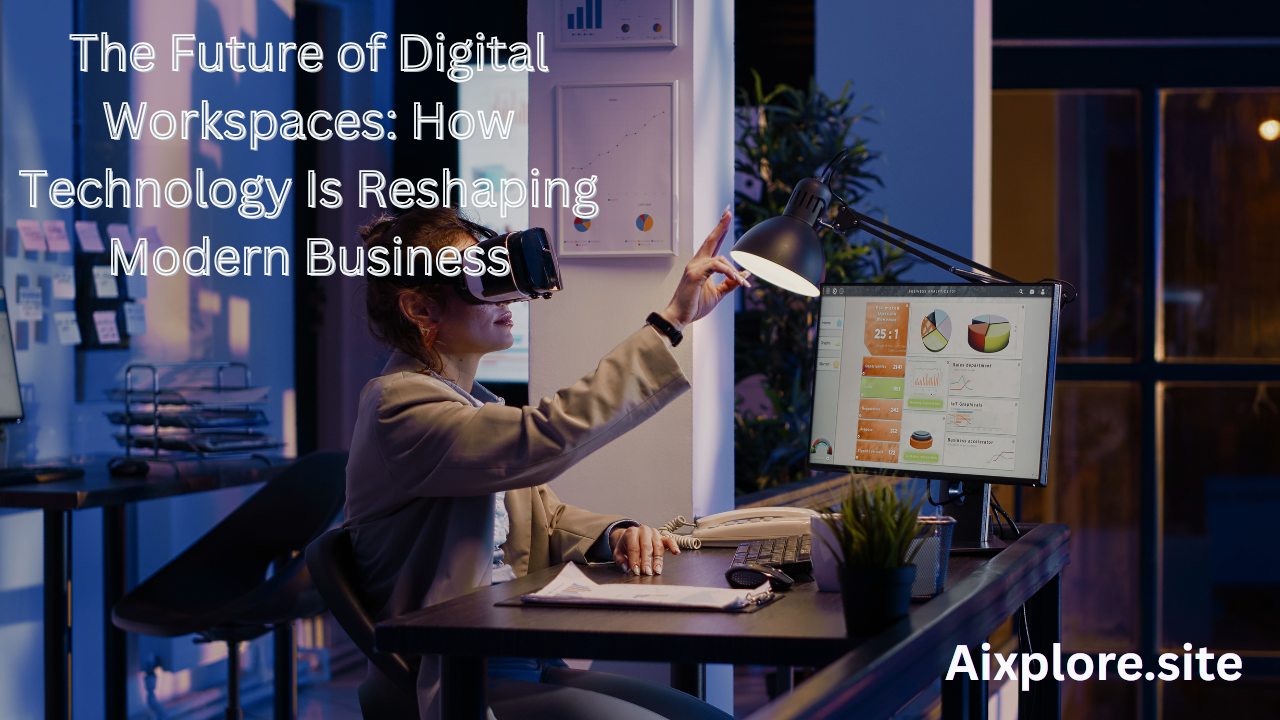
Virtual Reality (VR)
Immersive collaboration environments may become more common.
Augmented Reality (AR)
Digital overlays could improve workplace interactions.
Advanced Automation
Routine business processes will become increasingly automated.
Smart Work Environments
Technology will adapt dynamically to employee needs.
These innovations have the potential to redefine how work is performed.
Sustainability and Digital Workspaces
Digital transformation may also support sustainability goals.
Reduced Commuting Emissions
Remote work lowers transportation-related impacts.
Less Paper Usage
Digital systems reduce reliance on physical documents.
Efficient Resource Management
Cloud services often optimize infrastructure usage.
Flexible Office Spaces
Businesses may require smaller physical footprints.
Sustainability considerations are becoming increasingly important in workplace planning.
Frequently Asked Questions
What is a digital workspace?
A digital workspace is a virtual environment that provides employees with access to tools, applications, communication systems, and data needed for work.
Why are digital workspaces important?
They improve flexibility, collaboration, productivity, and operational efficiency.
How does cloud computing support digital workspaces?
Cloud computing provides secure, scalable access to applications and data from multiple locations.
Will digital workspaces replace traditional offices?
Many organizations are adopting hybrid approaches that combine digital and physical work environments.
Conclusion
Digital workspaces are transforming how businesses operate, collaborate, and innovate. Powered by cloud computing, artificial intelligence, collaboration technologies, and flexible work models, these environments provide organizations with new opportunities for growth and efficiency.
As technology continues evolving, businesses that embrace digital workspace strategies will be better positioned to attract talent, improve productivity, strengthen resilience, and remain competitive in an increasingly connected world.
The future of work is digital, flexible, and driven by innovation. Organizations that prepare today will be better equipped to succeed tomorrow.