Introduction
In today’s digital world, customers rarely make purchasing decisions immediately. Instead, they research products, compare options, read reviews, and seek valuable information before choosing a business.
This shift in consumer behavior has made content marketing one of the most effective strategies for attracting and retaining customers.
Rather than directly promoting products at every opportunity, content marketing focuses on providing useful, educational, and engaging information that helps potential customers solve problems and make informed decisions.
For small businesses, content marketing offers an affordable and sustainable way to build trust, improve search engine visibility, and generate long-term growth.
This guide explains how content marketing works, why it matters, and how small businesses can use it effectively.
What Is Content Marketing?
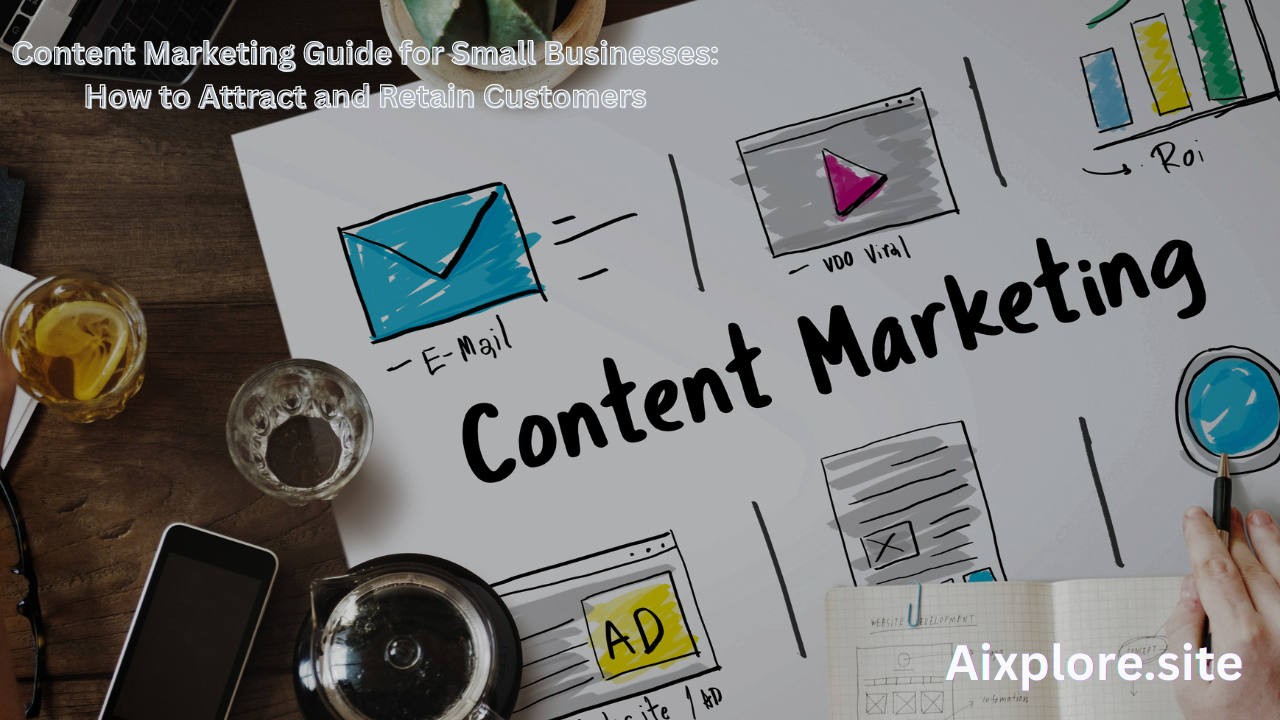
Content marketing is the process of creating and distributing valuable content to attract, engage, and retain a target audience.
The goal is not simply to sell products but to build relationships and establish trust.
Common Forms of Content Marketing
Blog Articles
Educational and informative written content.
Videos
Visual content that explains concepts or demonstrates products.
Infographics
Easy-to-understand visual presentations of information.
Email Newsletters
Regular updates sent directly to subscribers.
Social Media Content
Posts designed to educate, entertain, or inform audiences.
Businesses that consistently provide value are more likely to gain customer trust and loyalty.
Why Content Marketing Matters
Content marketing offers benefits that extend beyond immediate sales.
Builds Brand Authority
Helpful content positions a business as a trusted source of information.
Improves Search Engine Rankings
Quality content helps websites rank for relevant keywords.
Generates Qualified Leads
Educational content attracts users already interested in related topics.
Supports Customer Retention
Existing customers remain engaged through ongoing valuable content.
For businesses focusing on organic growth, content marketing works exceptionally well alongside SEO Basics for Beginners: A Complete Guide to Ranking on Google.
Understanding Your Audience
Effective content starts with understanding the people you want to reach.
Identify Customer Needs
Determine the questions your audience is asking.
Understand Pain Points
Identify challenges your customers face.
Analyze Search Behavior
Research the topics people search for online.
Create Audience Profiles
Develop clear customer personas to guide content creation.
The better you understand your audience, the more relevant and effective your content becomes.
Setting Content Marketing Goals
Every content strategy should begin with clear objectives.
Brand Awareness
Introduce your business to new audiences.
Website Traffic
Increase the number of visitors to your website.
Lead Generation
Capture information from potential customers.
Customer Education
Help customers understand products and services.
Revenue Growth
Support sales and business development efforts.
Clearly defined goals help measure success and guide future content decisions.
Creating High-Quality Content
Quality content remains the foundation of successful content marketing.
Focus on User Value
Every piece of content should solve a problem or answer a question.
Provide Accurate Information
Well-researched content builds trust and credibility.
Use Clear Structure
Organized content improves readability.
Headings
Break information into logical sections.
Bullet Points
Make important information easier to scan.
Examples
Help readers understand complex concepts.
Keep Content Updated
Regular updates maintain relevance and accuracy.
The Role of SEO in Content Marketing
Content marketing and SEO work together.
Keyword Research
Identify terms your audience searches for.
On-Page Optimization
Use keywords naturally throughout content.
Internal Linking
Connect related articles to improve navigation and authority.
Examples include:
- Email Marketing Best Practices: A Complete Guide for Business Growth
- Social Media Marketing Strategies for Small Businesses
- How Cloud Computing Is Changing Modern Businesses
Search Intent Optimization
Create content that matches user expectations.
Combining SEO with content marketing significantly improves visibility and traffic.
Types of Content Small Businesses Should Create
Different content formats serve different purposes.
Educational Guides
Teach readers valuable skills and information.
Industry News
Keep audiences informed about important developments.
Case Studies
Show real-world examples and success stories.
Product Tutorials
Help customers understand how products work.
Frequently Asked Questions
Address common customer concerns.
A variety of content formats improves audience engagement.
Building a Content Calendar
Consistency is essential for content marketing success.
Plan Content in Advance
Avoid creating content at the last minute.
Publish Regularly
Consistent publishing builds audience expectations.
Align With Business Goals
Content should support broader marketing objectives.
Monitor Seasonal Trends
Create content relevant to upcoming events and opportunities.
A structured content calendar improves efficiency and organization.
Using Social Media to Distribute Content
Creating content is only part of the process.
Distribution is equally important.
Share Articles Across Platforms
Expand content reach through social media.
Encourage Engagement
Invite comments, discussions, and feedback.
Repurpose Existing Content
Transform blog posts into videos, graphics, or short-form posts.
Build Community Relationships
Interact with followers consistently.
For additional strategies, read Social Media Marketing Strategies for Small Businesses.
Email Marketing and Content Promotion
Email remains one of the best content distribution channels.
Promote New Articles
Notify subscribers about new content.
Share Educational Resources
Provide ongoing value through email campaigns.
Build Relationships
Maintain regular communication with audiences.
Increase Website Traffic
Drive subscribers back to your website.
Businesses often combine content marketing with Email Marketing Best Practices: A Complete Guide for Business Growth for stronger results.
Measuring Content Marketing Success
Tracking performance helps improve future strategies.
Website Traffic
Monitor visitor growth over time.
Engagement Metrics
Track comments, shares, and interactions.
Lead Generation
Measure inquiries and signups.
Conversion Rates
Evaluate how content contributes to business goals.
Search Rankings
Monitor keyword performance.
Data-driven decisions improve long-term effectiveness.
Common Content Marketing Mistakes
Avoiding mistakes can significantly improve results.
Publishing Low-Quality Content
Thin content rarely performs well.
Ignoring SEO
Content without optimization may struggle to attract traffic.
Inconsistent Publishing
Long gaps between posts can reduce audience engagement.
Focusing Only on Sales
Overly promotional content often discourages readers.
Neglecting Analytics
Performance data provides valuable insights.
Small improvements can lead to significant long-term gains.
Content Marketing and Artificial Intelligence
Artificial intelligence is changing how content is created and optimized.
Research Assistance
AI can help identify trends and topics.
Content Planning
Marketers can generate ideas more efficiently.
Audience Analysis
AI provides deeper insights into customer behavior.
Workflow Automation
Routine tasks can be streamlined.
To learn more, explore Best Free AI Tools for Students and Professionals and AI vs Human Intelligence: Key Differences Explained.
Future Trends in Content Marketing
Content marketing continues evolving.
Greater Personalization
Audiences expect more relevant experiences.
Interactive Content
Quizzes, calculators, and assessments will become more common.
Video Growth
Video content will continue expanding.
AI Integration
Technology will support content planning and optimization.
Businesses that adapt to changing trends will remain competitive.
Frequently Asked Questions
Is content marketing suitable for small businesses?
Yes. Content marketing is one of the most cost-effective ways for small businesses to attract and retain customers.
How long does content marketing take to produce results?
Results vary, but content marketing is generally a long-term strategy that builds momentum over time.
How often should businesses publish content?
Consistency is more important than frequency. A realistic publishing schedule works best.
What type of content performs best?
The most successful content solves problems, answers questions, and provides genuine value to readers.
Conclusion
Content marketing has become an essential strategy for businesses seeking sustainable growth in the digital age. By creating valuable, informative, and engaging content, organizations can attract customers, build trust, improve search visibility, and support long-term business success.
When combined with SEO, email marketing, and social media strategies, content marketing becomes a powerful tool for generating consistent traffic, leads, and revenue. Businesses that focus on helping their audience rather than simply selling to them will be best positioned for future growth.